1816
A quire of paper
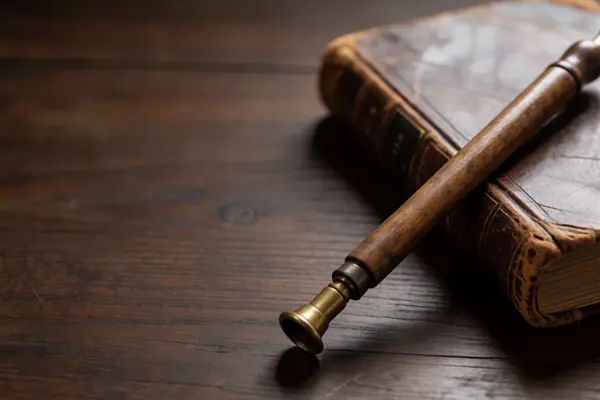
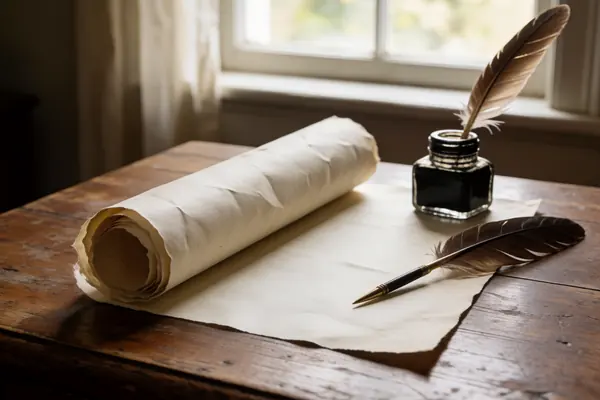
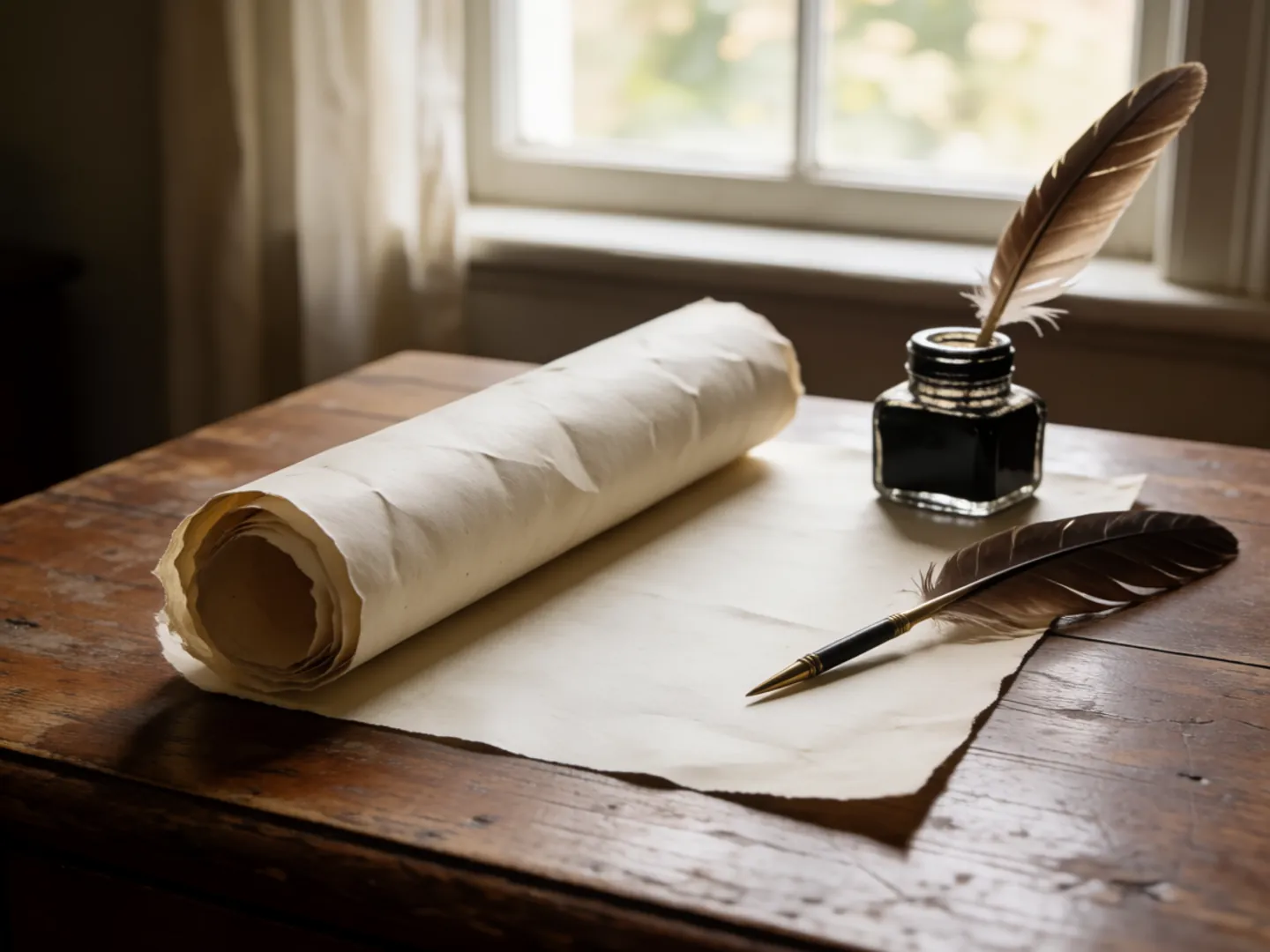
Laennec rolled paper into a cylinder, put one end to a patient's chest and the other to his ear, and heard the heart more clearly and distinctly than with his ear alone.
Trace the tube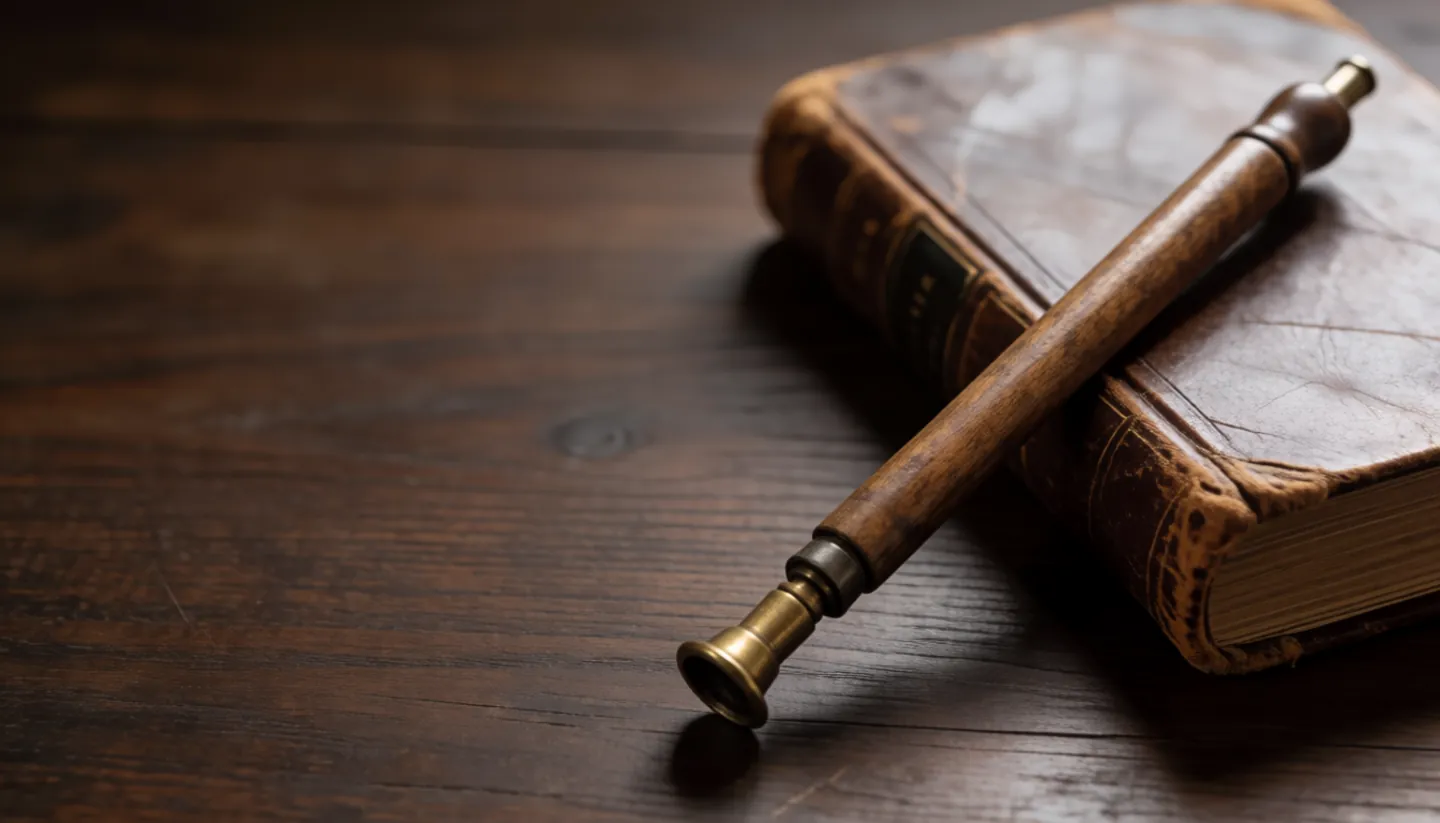
 doodlemed
A HISTORY OF MEDICINE
1816 the year of the paper tube
Before 1816, a doctor listened to a chest with an ear pressed against it.
Then a French physician rolled up some paper. This independent guide traces the stethoscope from that improvised tube to the instrument round a doctor's neck today, using museum collections and medical historians.
Updated
Trace the tubeTHE SHORT ANSWER
Laennec remembered how clearly a pin-scratch
travels along a piece of wood.
1816
Laennec rolled paper into a cylinder, put one end to a patient's chest and the other to his ear, and heard the heart more clearly and distinctly than with his ear alone.
Trace the tube1819
He soon made a hollow wooden cylinder, named it from the Greek words for chest and examination, and described its uses in an influential 1819 book.
See the object1851
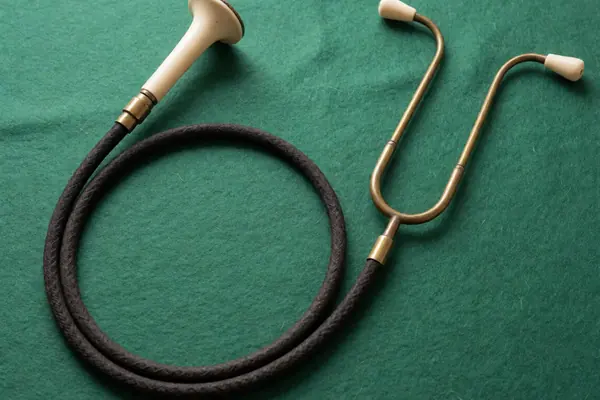
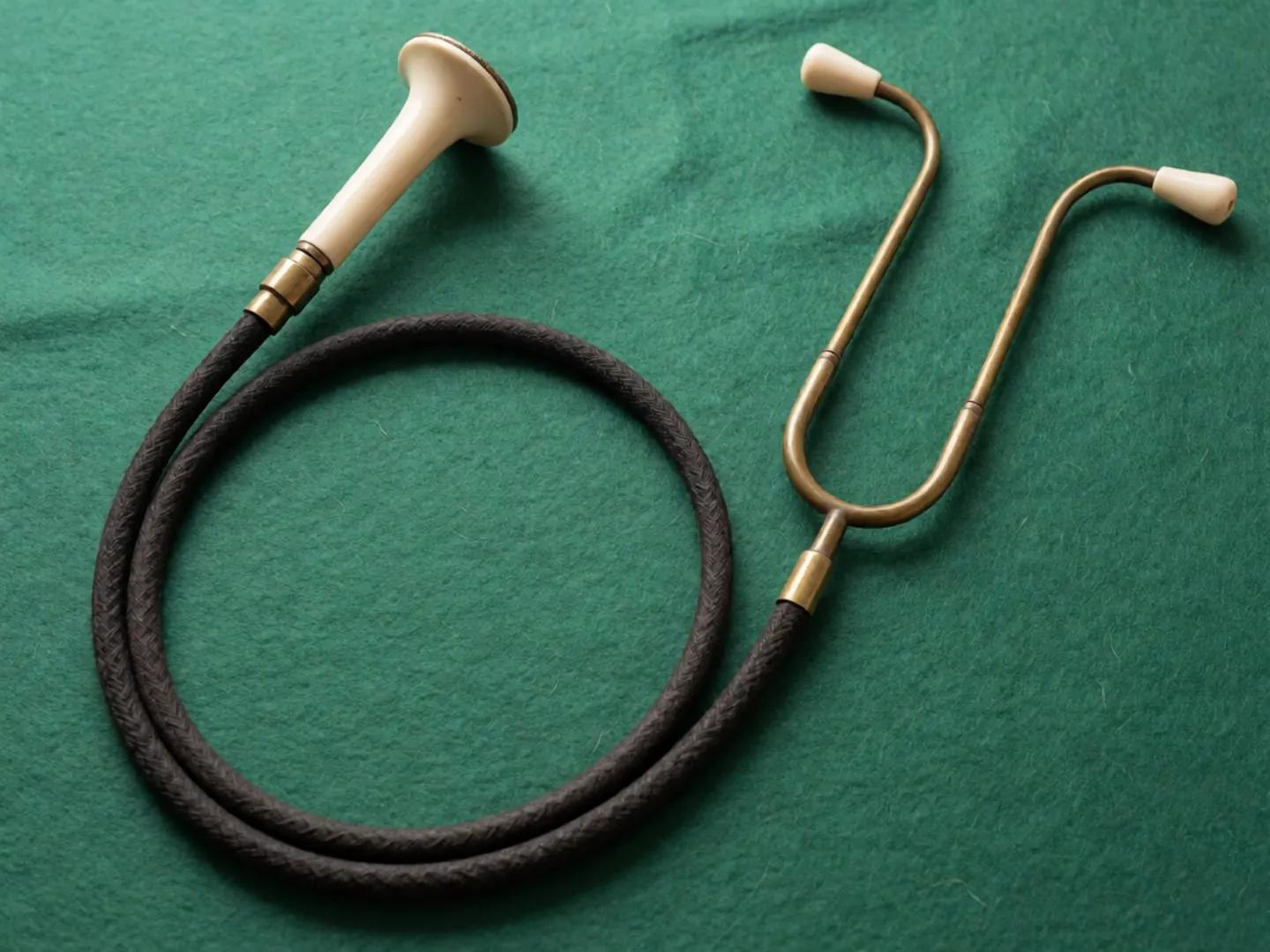
Irish physician Arthur Leared is credited with the binaural stethoscope in 1851, the flexible two-eared design most people know.
What changedTRACE THE TUBE
Pick a stage to see how listening to the chest changed. The bar shows how close each stage is to the two-eared stethoscope used today.
Based on the Linda Hall Library, the Medical History Society of Nova Scotia and the Science Museum Group collection. History only, not medical advice.
TWO NUMBERS WORTH KNOWING
One measurement from a museum object,
one figure on how long it took to catch on.
287 mm
Length of a Laennec stethoscope
The Science Museum Group holds a monaural stethoscope made by Laennec in France, 1815-1825, of wood with a metal tube, 287 mm long and 38 mm across.
SCIENCE MUSEUM · A79254
≈ 2 decades
Time before it entered medical training
Linking the sounds heard to disease of the heart and lungs was difficult, so it was almost two decades before the instrument was included in medical training.
MEDICAL TRAINING
Laennec became a professor at the Collège de France in 1823 and died of tuberculosis in 1826, aged 45.
FOUR WAYS TO EXPLORE IT
You can follow the story through objects and books without a medical background. These are starting points from the sources behind this page.
The Science Museum Group's online collection has several Laennec-type wooden stethoscopes, with materials, dates and measurements.
Set a monaural wooden tube beside a later binaural model and notice what the flexible tubing changed.
His 1819 book, De l'auscultation médiate, describes the paper-roll moment in his own words and was translated into English.
'Stethoscope' joins the Greek words for chest and examination, a name Laennec chose himself.
WHY IT MATTERED
Laennec had studied under Jean-Nicolas Corvisart, who compared percussion and ear-to-chest findings with post-mortem results. Laennec continued that work with his new instrument.
His book of 1819 set out the many uses of 'mediate' (indirect) listening. Historians credit it with starting a process that made the stethoscope an indispensable tool for physicians.
Questions
René Laennec, a French physician born in Brittany in 1781. In 1816 he rolled paper into a tube to listen to a patient's heart, then made a hollow wooden version.
Laennec wrote that percussion was of little help for that patient, and historians add that putting his ear to her chest seemed inappropriate. He recalled how clearly the scratch of a pin travels along a piece of wood.
Laennec named it from the Greek words for chest and examination.
The flexible binaural stethoscope arrived in the 1850s. The Medical History Society of Nova Scotia credits Irish physician Arthur Leared with inventing it in 1851.
The Science Museum Group's collection includes a monaural stethoscope made by Laennec in France between 1815 and 1825, as well as later wooden copies.
Sources
ABOUT THIS NAME
doodlemed.com is part of the DoodleSale portfolio. Check the current listing and available purchase or lease options.